Why Does My Mix Sound Amazing at 4 A.M. and Awful at Noon?
You finish a mix in the quiet hours before sunrise. The vocal feels alive, the low end is huge but controlled, and every little detail seems to land exactly where it should. You save it, go to bed, and listen again at noon. Suddenly the kick is swallowing the bass, the vocal is harsh, and the whole track feels strangely flat.
If that sounds familiar, you’re not necessarily bad at mixing—or suddenly hearing a different song. Your listening conditions and your ability to judge them have changed. Room acoustics, playback volume, sleep, and ear fatigue can all affect the decisions you make. The good news is that you can build habits that make your mixes more dependable at any hour.
The 4 A.M. Mix Is Not the Same Listening Test
Mixing is a series of judgments: Is the vocal loud enough? Does the kick need more weight? Is that synth too bright? At 4 a.m., you’re making those calls in a particular physical and mental state, in a particular room, at a particular volume. At noon, several things may be different.
Your room may be noisier in daylight. A refrigerator, traffic, HVAC, or people in the next room can mask quiet details. You might turn the monitors up to compete, which changes how the balance feels and can tire your ears faster. Even if the room is identical, you may be more rested at noon—or more distracted, rushed, or stressed. Those conditions influence your attention and decision quality.
There is also a simple studio truth: if you work long enough, you can get attached to a mix because you’ve heard it repeatedly, not because it translates well. That’s why a mix that felt perfect in one late-night session needs a fresh check before you call it done.
Ear Fatigue Changes What You Trust
Ear fatigue is the reduced sensitivity and attention that can follow extended or loud listening. It doesn’t always announce itself as pain. Sometimes you just stop noticing that the hats are sharp, push the vocal too far forward, or add more low end because the bass no longer feels as satisfying as it did earlier.
In my years running sessions, I’ve seen artists and engineers work through the point where their judgment is useful. They keep turning up the track, tweaking small details, and chasing a feeling that has already shifted. The longer the session runs, the easier it is to confuse “different” with “better.” Loud monitoring makes that trap easier to fall into.
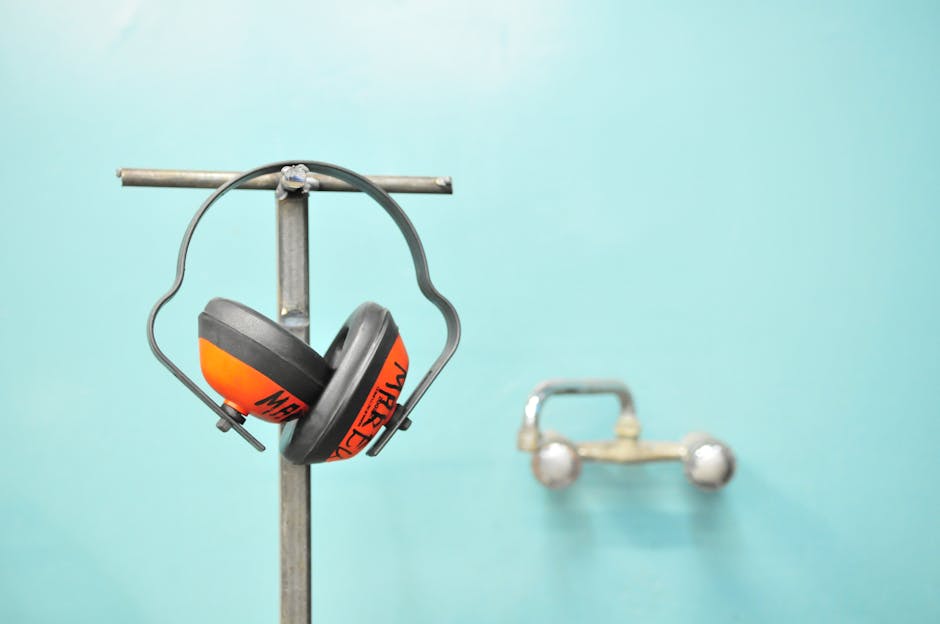
NIOSH—the National Institute for Occupational Safety and Health—provides guidance on occupational noise exposure and the risks of loud sound. Studio monitoring isn’t the same as every workplace noise scenario, but the practical lesson applies: don’t treat loud exposure as harmless just because the sound is music. Keep monitoring at a comfortable level, take quiet breaks, and use hearing protection when you’re in a loud environment. If you notice ringing or muffled hearing after sessions, take it seriously allhiphop.com and consider getting advice from a hearing professional.
Volume discipline beats “just one more loud check”
Choose a normal working level where conversation is still possible without shouting. Use louder playback briefly when you have a specific reason, then return to your usual level. Check the mix quietly too: a balanced vocal and rhythm should still make sense when the playback is low. A loud monitor setting can make a mix feel exciting in the room while hiding an imbalance that appears on other systems.
Headphones need the same discipline. They can reveal edits and detail, but a long, loud headphone session is not a substitute for a short, focused check. For ear protection outside the control room—at a concert, rehearsal, or noisy worksite—use suitable hearing protection rather than assuming you can compensate afterward.
Low End Balance Is Easy to Misjudge When You’re Tired
Low end balance is one of the first things that can get away from you in a late session. Bass and kick decisions depend on your room, your playback level, and what you’ve been listening to. A small room may exaggerate certain bass notes and hide others. Headphones can make the sub feel powerful without telling you how it interacts with the kick in speakers. And after hours of monitoring, your perception of weight can drift.
Instead of continually boosting bass until it feels impressive, check the relationship between kick and bass at a moderate level. Listen for whether each part has a clear role. Then take a break and come back. If you still need a reference, use a familiar track with a similar style and compare at matched playback levels. The goal isn’t to copy its tone; it’s to recalibrate your ears.
Finally, test mix translation on systems that don’t flatter the mix. A phone speaker won’t reproduce deep sub-bass, but it can reveal whether the vocal, melody, and groove remain clear. Cheap earbuds can expose harshness, buried vocals, or a balance that only works on your studio monitors. These are checks, not replacements for a reliable monitoring setup. Make one adjustment at a time, then return to your main speakers and confirm it helped.
Use Breaks as Part of the Mix, Not a Reward After It
A break is not lost time. It gives your attention and hearing a chance to reset before you make another round of decisions. I set a 10-minute timer for ear breaks. When it goes off, I stop playback and step away from the speakers. I don’t spend those ten minutes playing the mix quietly in another room; the point is to give my ears actual quiet.
During a reset, get some water, stretch, or take a short walk. I keep a water bottle on the console because basic needs are easy to ignore when the session gets intense. Food matters too. USDA nutrition resources can help people think about balanced meals and everyday eating patterns; the useful studio version is simple: don’t expect energy drinks and skipped meals to carry a long session. Eat something substantial before or during the workday, and keep water nearby.
Some people explore products from companies such as Joy Organics as part of their personal wellness routines. That’s a personal choice, not a mixing technique or a substitute for sleep, breaks, or hearing protection. Don’t count on a supplement or wellness product to restore tired ears or improve mix translation. When in doubt about a product, check its ingredients and consult a qualified health professional, especially if you take medication or have health concerns.
Build a Schedule That Protects Your Judgment
Late-night sessions can be creative, but a session that starts “whenever” and ends at sunrise by accident is hard to repeat responsibly. A fixed start time gives you a better chance of planning food, breaks, and a stopping point. It also makes comparisons between sessions more meaningful: you’re less likely to judge one mix rested at midday and another after a long night.
Try a schedule with defined listening blocks rather than one endless stretch. For example, work for 45–60 minutes, take a quiet break, then decide whether you’re fresh enough for another block. The exact timing can vary. The important part is that the break happens before you’re making desperate, low-confidence changes.
Session habit What to do Why it helps Fixed start time Pick a realistic time and plan a clear end point. Reduces accidental all-night sessions and supports consistent comparisons. Volume discipline Work at a comfortable level; use brief louder checks only when needed. Helps limit fatigue and makes small balance issues easier to judge. Ear breaks Set a timer, stop playback, and spend ten minutes in quiet. Resets attention before the next set of decisions. Translation checks Listen on monitors, then check a phone speaker and cheap earbuds. Shows whether the mix communicates beyond the main room.A Practical Noon Check for Your 4 A.M. Mix
When you return to a late-night mix, don’t immediately open the session and start changing things. Listen once without touching controls. Write down what you notice, then compare those notes with your next-session notes from the night before. This helps separate a real issue from the urge to keep working.
- Listen at a moderate level. Don’t turn it up to force the track to feel exciting.
- Check the vocal and groove first. Can you follow the vocal, kick, and main musical idea without straining?
- Check low end balance. Does the kick and bass relationship still feel intentional, or is one masking the other?
- Test mix translation. Use a phone speaker and cheap earbuds for brief checks, then return to your main monitoring setup.
- Make only confirmed changes. If a problem appears on multiple systems and still bothers you after a break, it’s more likely to deserve attention.
Know When to Stop
One of the best studio skills is recognizing when your decisions are getting worse. If you keep undoing the same move, can’t remember why you changed something, or feel compelled to turn the monitors up just to stay engaged, stop. Save a version, write down what you were trying to solve, and leave the next decision for a fresh session.
I write a one-line “next session” note before shutting down. It might say, “Check vocal against guitars at low volume,” or “Compare kick and bass after a break.” That small note gives the next session a purpose, so you don’t reopen the project and start randomly pulling faders.
Make the Mix Depend Less on the Hour
A mix sounding amazing at 4 a.m. and rough at noon is often a signal that the listening process needs more structure—not proof that your ears are useless. Ear fatigue, room noise, volume, sleep, and expectation all affect the choices you make. Fixed start times, sensible monitoring levels, quiet breaks, and deliberate translation checks give you a steadier reference.
Keep the process boring in the best way: drink water, take the break when the timer rings, check the mix on more than one system, and stop before tired judgment turns into endless tweaking. The goal isn’t to make every hour sound identical. It’s to make decisions you can still stand by when the sun comes up.
